
The Architecture for living

Beyond personal development
For decades, personal development has largely focused on the individual: understanding ourselves, healing our past, changing our patterns, becoming more conscious and creating a better life.
That work has value.
But I believe we are reaching a point where it is no longer enough.
The world we are entering asks something more of us.
For most of human history, belonging to the group was essential for survival. We learned to look outside ourselves for what was true, acceptable and safe. Family, community, religion, institutions and culture gave us structures to live by.
Those structures created belonging and stability. They also taught us, often unconsciously, to adapt ourselves to the group.
Today, many of those external structures are losing their authority. At the same time, technology, AI, algorithms and an unprecedented volume of information are influencing what we see, believe and choose.
We have more access to knowledge than ever before.
But access to information is not the same as the capacity to discern.
And freedom from external authority is not the same as inner authority.
A different stage of human maturity
I believe the movement ahead is neither a return to tribal belonging nor a celebration of radical independence.
It is a movement towards sovereign interdependence.
The capacity to stand within ourselves without disconnecting from others.
To listen without automatically conforming.
To disagree without needing to make another person wrong.
To belong without abandoning ourselves.
To receive another perspective without surrendering our own discernment.
And ultimately, to create together without handing our responsibility to the group.
This requires capacities many of us were never explicitly taught.
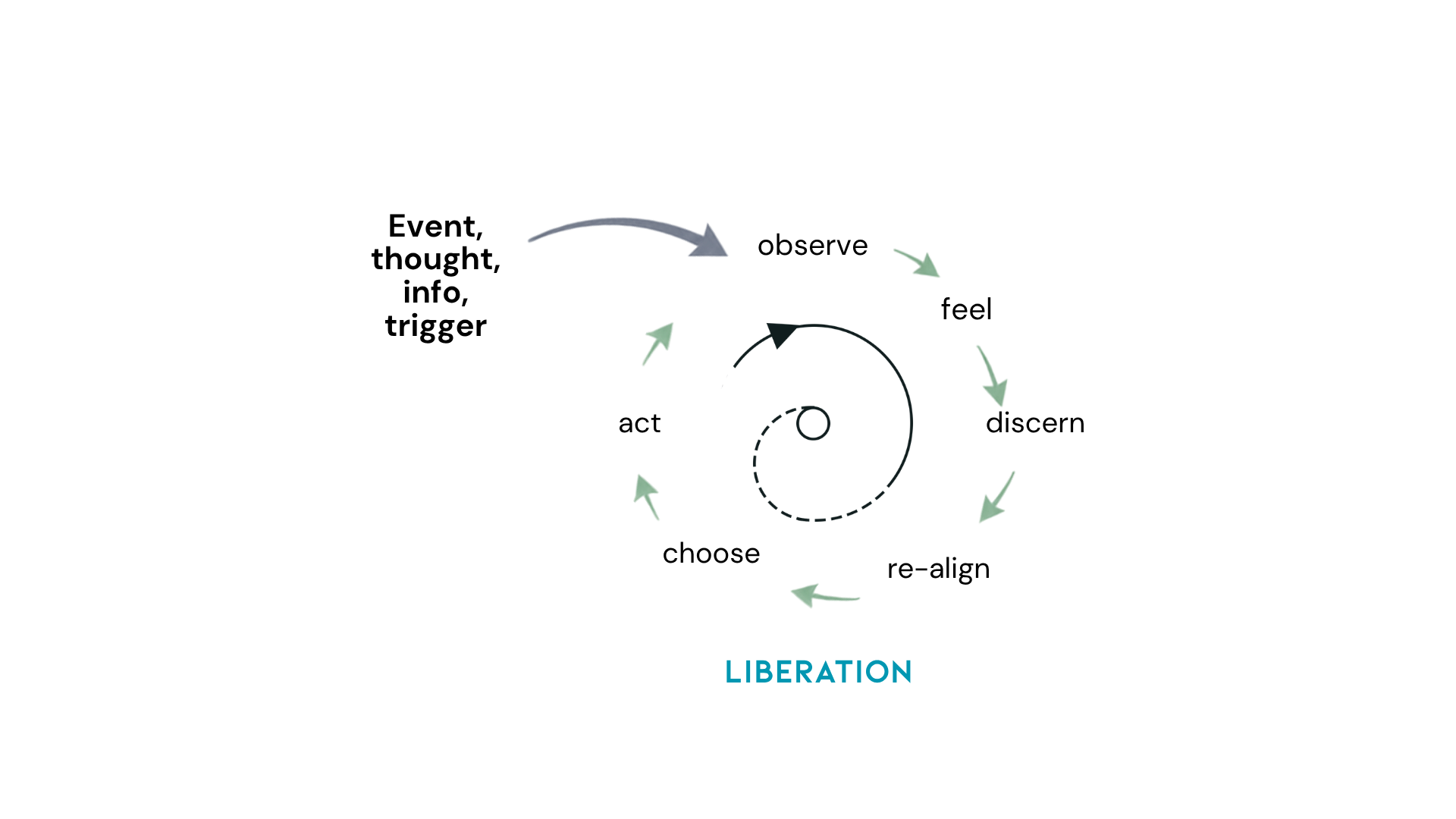
We need to become able to observe our own reactions. To recognise the beliefs, identities and loyalties shaping our perception. To distinguish an inherited response from what we actually sense to be true. To remain present when another person sees the world differently.
And then to choose consciously what we bring into the world.
This is not only for people interested in personal growth
These capacities matter wherever human beings make choices together.
In families and relationships.
In organisations and leadership.
In education.
In technology.
In communities.
In how we consume information and participate in society.
And in the systems we create for those who come after us.
The Architecture for Living therefore isn't a method for endlessly working on ourselves.
The individual is where the work begins. It is not where it ends.
When we change the way we perceive, discern and choose, we change the way we meet one another.
And when we meet one another differently, different forms of collaboration, leadership and collective creation become possible.
The Architecture for Living
The Architecture for Living is my attempt to make this shift practical.
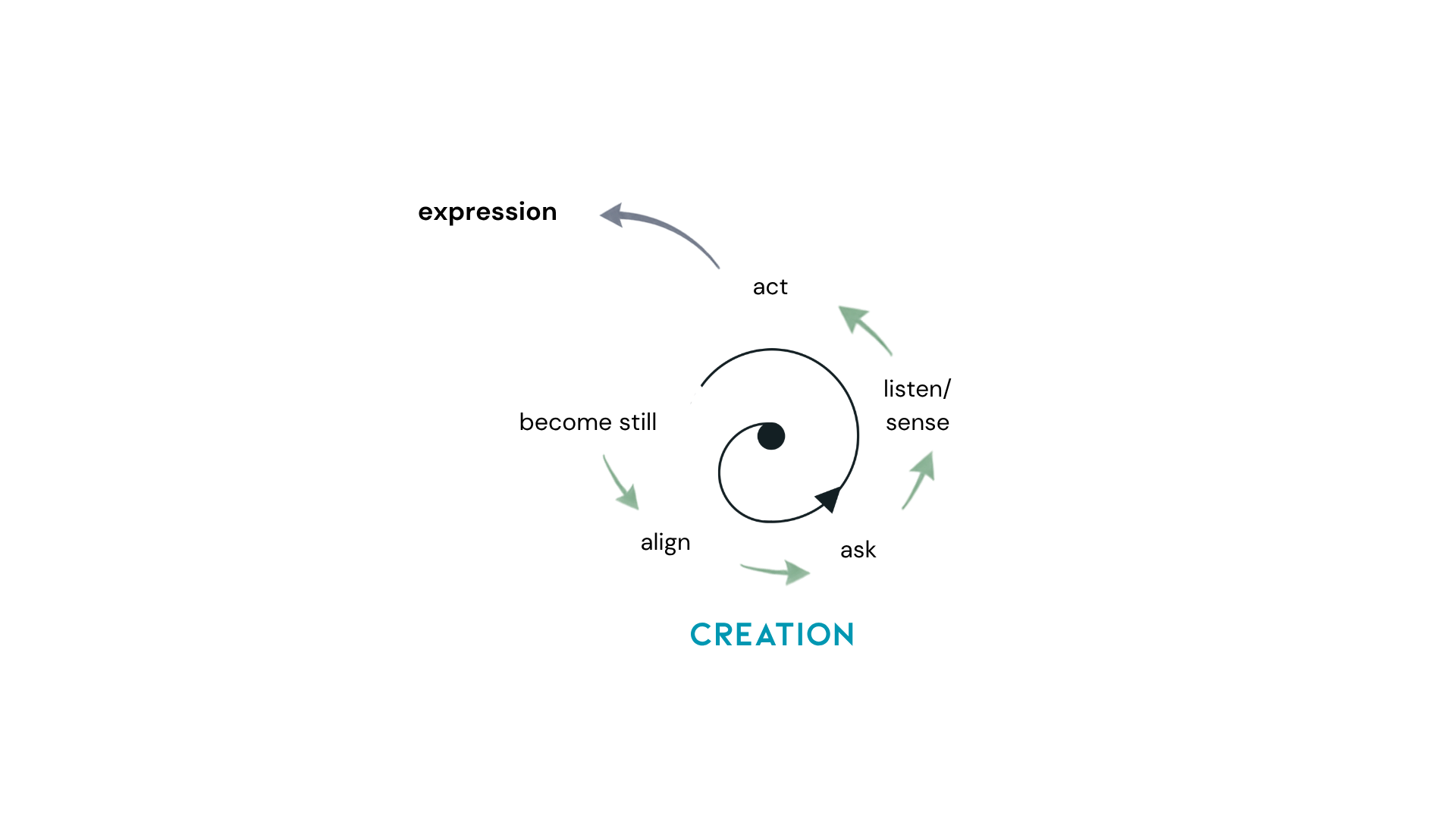
It develops the capacities that allow us to move from unconscious reaction towards inner authority, from inner authority towards conscious choice, and from individual sovereignty towards conscious co-creation.
Not as an ideology to believe in.
Not as another authority to follow.
But as something to practise in the middle of ordinary life.
Because if we want to create different systems, organisations and ways of living together, we cannot keep bringing the same unconscious human patterns into them.
A different future will require more than new technology and new systems. It will require a different quality of human participation.
For ongoing reflections on leadership, responsibility, and living clearly in changing times, explore The New Leadership Code